
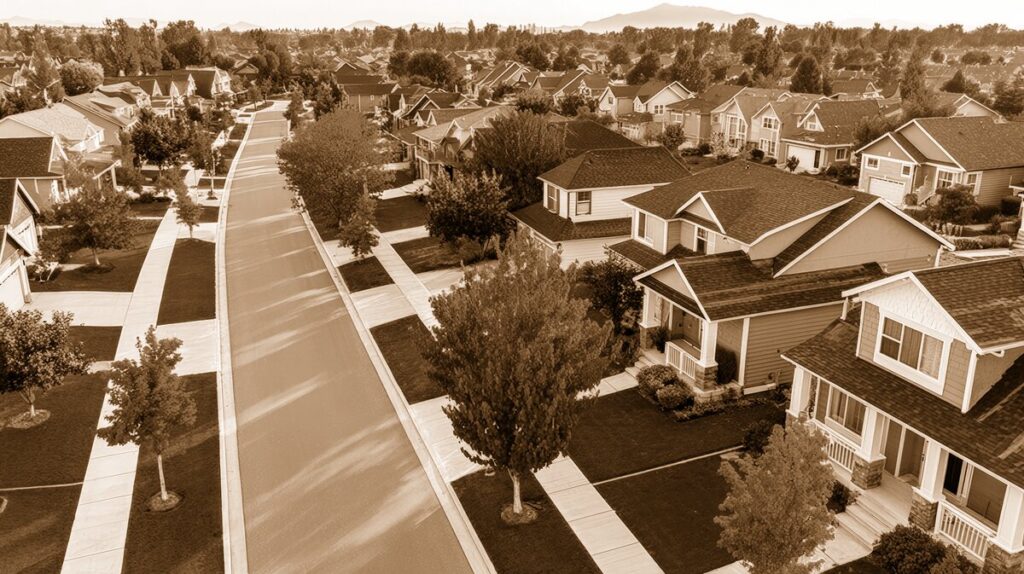
Nestled comfortably on the western slopes of South San Francisco, the neighborhood of Westborough stands as a testament to both change and continuity. Characterized by rolling hills, tree-lined streets, and a cultural mosaic, Westborough is one of those rare places where stories from decades past flow seamlessly into modern family life. As a longtime resident, let me take you through the remarkable journey of this cherished neighborhood—its origins, its heritage, and the many thoughtful ways it continues to evolve.
The Origins of Westborough: From Farmland to Flourishing Community
Before homes and schools dotted the hills, the land we know as Westborough was ranch and dairy country, belonging to sprawling agricultural estates. In the early 20th century, South San Francisco was famed for its industrial prowess, but just west, these hills remained green and quiet. It wasn’t until the post-war housing boom of the 1950s and 1960s that developers set their sights on this area, seeking to meet the needs of a growing Bay Area population.
The name “Westborough” itself is a nod to both geography and aspiration—"west" marking its position from downtown South City, and "borough" evoking a sense of close-knit community. As post-war optimism infused the region, planners envisioned this “borough” as a suburban haven, attracting families with the promise of safe streets, manicured parks, and space to grow.
Streets and Stories: Key Historical Milestones
The creation of Westborough was no overnight feat. The streets you walk on today—like Westborough Boulevard, Gellert Boulevard, and St. Francis Boulevard—came to life in carefully planned phases.
- 1960s: The first wave of homes appeared, bringing with them young families, many of whom were first-time homeowners working in nearby industries or downtown San Francisco.
- 1970s: The establishment of the Westborough Shopping Center became a neighborhood landmark, a hub where generations have gathered for everything from Sunday groceries to after-school treats.
- 1980s: Westborough Park opened, instantly adored for its playgrounds, picnic spaces, and the grand redwoods that now tower over its lawns.
- 1990s and 2000s: The neighborhood saw new housing developments, offering townhomes and condos that diversified Westborough’s architectural character and demographic mix.
Throughout these decades, Westborough was also shaped by its schools. Westborough Middle School, which opened in 1965 at 2570 Westborough Blvd, quickly became a cornerstone—nurturing generations with both academic guidance and athletic pride.
Landmarks and Local Treasures
While pristinely maintained homes and gardens set a pleasing tone, it’s Westborough’s community spaces that truly foster neighborly bonds.
- Westborough Park: At the center of the neighborhood, Westborough Park is more than just sports fields and playgrounds; it’s the site for summer picnics, weekend soccer games, and annual community festivals that draw folks from all backgrounds.
- Sellick Park: Tucked behind the main avenues, Sellick Park offers a quieter retreat with walking paths and sweeping views of the Bay—a favorite for sunset watchers and dog walkers alike.
- The Westborough Branch of the South San Francisco Public Library: Located adjacent to Westborough Park, this library serves as a hub for learning and connection, hosting everything from story times for toddlers to tech workshops for seniors.
- The Westborough Shopping Center: As one of the earliest commercial hubs in the area, this center is both historic and evolving, home to beloved eateries, boutiques, and essential services like the post office and pharmacy.
On Gellert Boulevard, St. Augustine Catholic Church stands as a testament to Westborough’s diverse faith communities, serving generations of local families and hosting vibrant multicultural events.
Changing Faces: Evolution Over the Decades
What truly stands out about Westborough is its ability to grow while still feeling like “home.” Early residents, many of whom arrived in the 1960s and 70s, often describe the neighborhood as a “hidden gem”—a place with the room to raise a family, but also the quiet needed to enjoy one’s retirement years.
In more recent years, Westborough has flourished as one of the most diverse neighborhoods in South San Francisco. You’ll hear a symphony of languages at the park or the local café—Tagalog, Spanish, Mandarin, and English mingling easily. New restaurants reflect global tastes, and annual community events celebrate everything from Lunar New Year to Earth Day, unified in their Westborough setting.
The improved trails and community gardens around Westborough Park and the nearby Skyline Greenbelt are emblematic of the area’s commitment to healthy, sustainable living. Neighbors might come together for a park clean-up on a Saturday morning, and later gather for live music at the shopping center—a blend of old-school tradition and new energy.
What Makes Westborough Special
Longtime residents agree: it’s the sense of neighborliness that sets this place apart. Whether you live on Briarwood Drive or Buchanan Court, kids and adults alike tend to look out for each other. Block parties are common, and during the holidays, spirited decorations illuminate the streets.
But Westborough’s true heritage lies in its spirit of adaptation. Each generation brings something new, strengthening the bonds that make this neighborhood more than just a collection of homes—it’s a shared legacy. From the sturdy oaks of Westborough Park to the buzz of the shopping center and the quiet energy of evening walks on Gellert, Westborough’s story is still being written every day, by all who live here.
For those of us fortunate enough to call Westborough home, the beauty is in both its roots and its open arms—to newcomers, traditions, and changes that keep its story vibrant and ever-unfolding.